
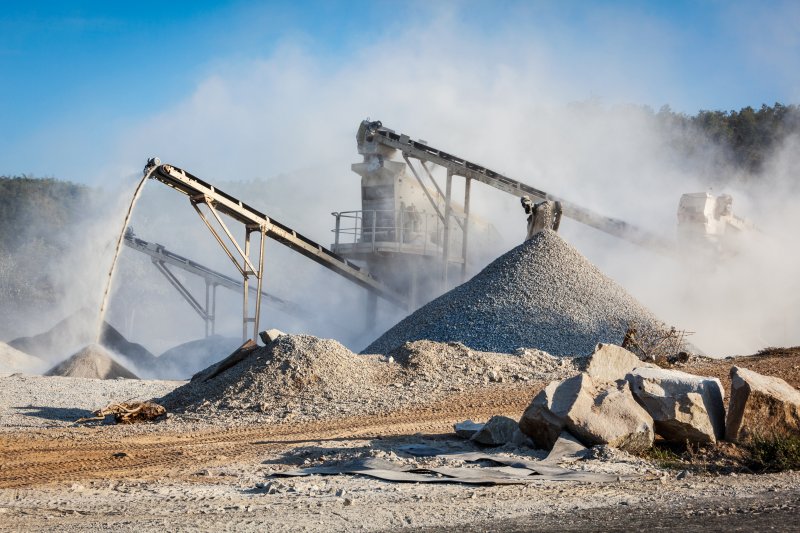
Crushing and Screening Plants: The Heart of Aggregate Production
Crushing and screening plants are facilities that crush and screen natural stones extracted from mines, quarries, or riverbeds into aggregates of sizes suitable for the construction sector. These systems are very important in terms of high efficiency, low cost, and quality production.
What is a Crushing and Screening Plant?
A crushing and screening plant processes large raw materials such as stones, rocks, and rubble by:
-
First crushing them into smaller pieces,
-
Then classifying them by size using screens.
As a result of this process, aggregates of different fractions (0-5 mm, 5-12 mm, 12-25 mm, etc.) are obtained. These aggregates are used in many fields such as concrete, asphalt, road filling, and infrastructure works.
What Equipment is in a Crushing and Screening Plant?
The main machines in a crushing and screening plant are:
-
Feeder bunker: ensures regular feeding of material into the system.
-
Jaw crusher: used for primary crushing.
-
Cone crusher or impact crusher: for finer crushing.
-
Vibrating screen: separates materials by size.
-
Conveyor belts: ensures material flow.
-
Dust collection systems: necessary for environmentally friendly production.
Mobile and Stationary Crushing and Screening Plants
Stationary plants are generally preferred for large-scale and long-term projects,
mobile crushing and screening plants offer advantages such as quick setup and portability in the field.
Advantages of mobile plants:
-
Portable and compact structure
-
Suitable for site changes
-
Fast installation and commissioning
-
Low infrastructure cost
Where Are They Used?
-
Road and highway projects
-
Dam and tunnel constructions
-
Concrete and asphalt plants
-
Mining operations
-
Recycling facilities (construction waste, crushed concrete, etc.)
Things to Consider When Setting Up a Crushing and Screening Plant
-
What is your production capacity requirement?
-
What is the hardness and moisture content of the stone?
-
Compliance with environmental regulations (dust, noise, etc.)
-
Energy consumption and operating costs
-
Maintenance and spare parts support
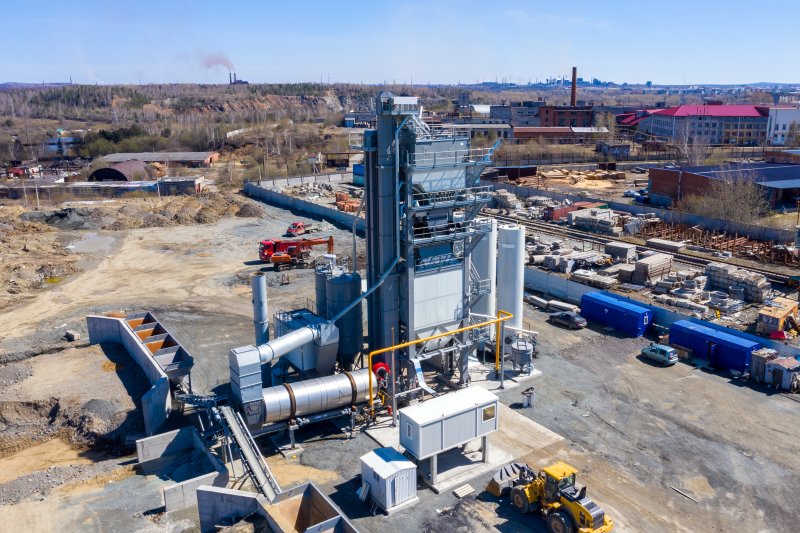
What Are Asphalt Plants? The Heart of the Road Beats Here
What is an Asphalt Plant?
Asphalt plants are industrial facilities that produce asphalt mixtures necessary for road construction and repair. In these facilities, aggregates (gravel, sand), bitumen, and filler materials are mixed in specific proportions to obtain asphalt concrete.
Types of Asphalt Plants
-
Stationary Asphalt Plants
-
Suitable for high capacity and long-term projects.
-
Offer more automation and production power.
-
-
Mobile Asphalt Plants
-
Can be quickly set up on-site due to their portable structure.
-
Used in rural or temporary projects.
-
Components of Asphalt Plants
-
Aggregate feeding unit
-
Dryer drum
-
Dust collection filter system
-
Mixer unit
-
Bitumen tank and heating systems
-
Asphalt silos and automation system
Why is it Important?
-
Ensures quality asphalt production.
-
Offers time and cost advantages.
-
Produces roads resistant to heavy traffic loads.
-
Protects the environment with eco-friendly filtration systems.
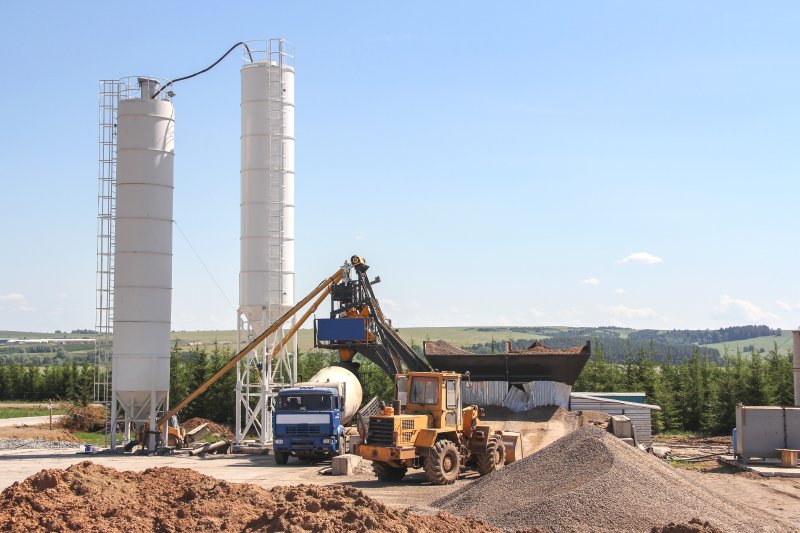
Concrete Plants: The Foundation of Strong Structures is Laid Here
Concrete Plants: The Foundation of Strong Structures Is Laid Here
Concrete plants are one of the most critical components of the modern construction industry. The foundation of durable and robust buildings is laid with quality concrete production, and concrete plants play a vital role in this process. With capacity options varying according to the size and needs of construction projects, concrete plants offer homogeneous mixing and uninterrupted production.
What is a Concrete Plant?
A concrete plant is a facility that produces ready-mixed concrete by mixing cement, aggregates (sand, gravel), water, and additives in specific proportions. Technologies used for quality concrete production, mixer capacity, and control systems are of great importance.
Advantages of Concrete Plants
-
High Efficiency: Modern concrete plants provide rapid solutions for large construction projects with high production capacity.
-
Quality Control: Automatic dosing systems ensure homogeneity and quality guarantee in the concrete mix.
-
Eco-Friendly: Dust collection systems and energy efficiency enable environmentally friendly production.
-
Flexible Use: Production suitable for various concrete types and additives is possible.
What to Consider When Choosing a Concrete Plant?
-
Project size and daily concrete demand,
-
Mixer type and capacity,
-
Level of automation,
-
Maintenance and service support,
-
Energy consumption and environmental compliance.
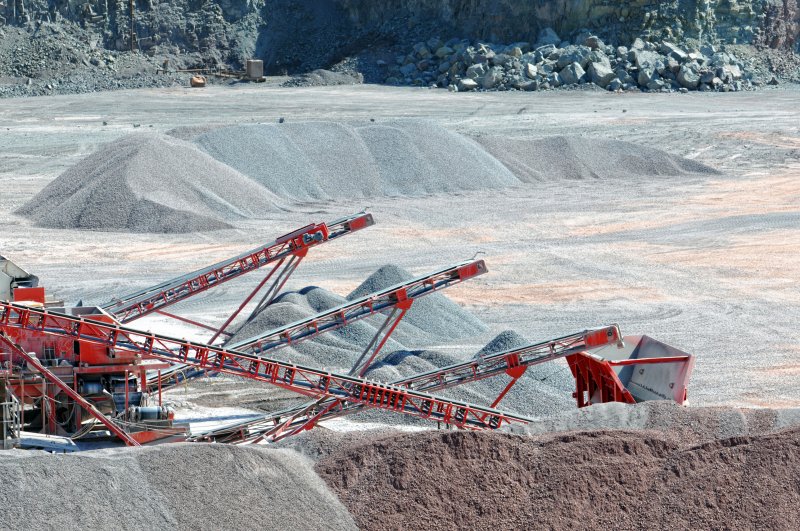
Kırma Eleme Tesisleri: Taşın Gücünü Endüstriye Dönüştüren Teknoloji
Crushing and screening plants play an indispensable role in the production of aggregate, the fundamental material for modern construction and infrastructure projects. These systems process natural stones and minerals into forms suitable for the construction industry, operating as powerful production lines with high efficiency.
What is a Crushing and Screening Plant?
Crushing and screening plants first break large materials like rocks, stones, and debris into smaller pieces, then classify them by passing through screens. As a result, aggregates of different sizes are produced:
-
0-5 mm (fine sand),
-
5-12 mm (gravel),
-
12-25 mm (coarse aggregate), etc.
These materials are used in concrete production, road construction, filling works, and asphalt projects.
Basic Components of the Plant
-
Feeding System: Directs raw materials evenly to the production lines.
-
Jaw Crusher: Reduces large stones in the first stage.
-
Impact or Cone Crusher: For finer crushing processes.
-
Vibrating Screens: Separates materials according to desired sizes.
-
Conveyor Belts: Handle transportation between all operations.
-
Dust Collection Systems: Play a critical role in environmentally friendly and healthy production.